

Hysteroscopy and Uterine Cavity Procedures
Hysteroscopy is a procedure in which a slender camera is introduced through the vagina and cervix to examine the inside of the uterus. It can be used for diagnosis and, in selected cases, treatment without abdominal incisions.
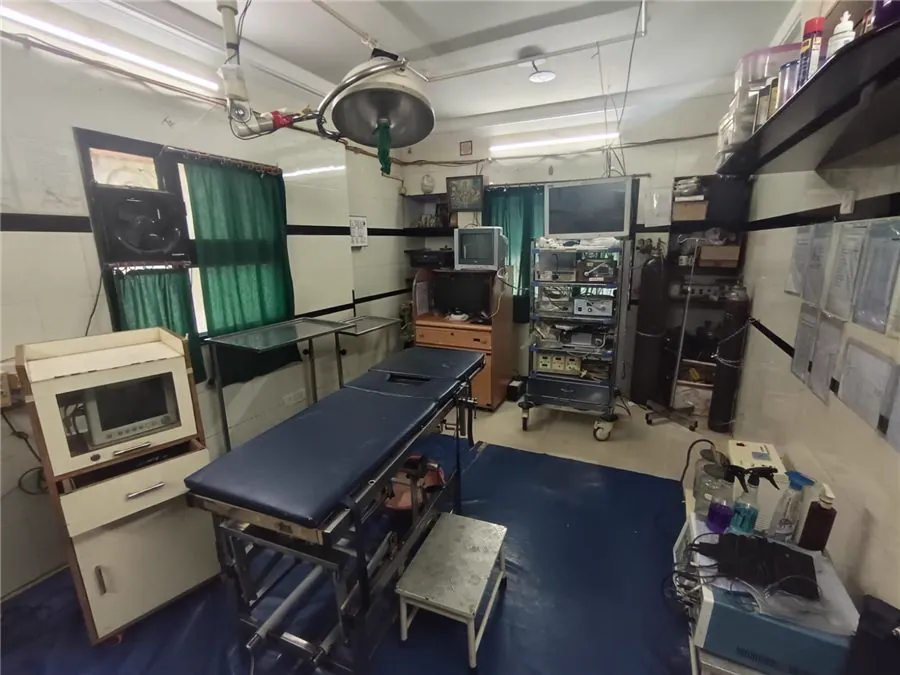
Diagnostic hysteroscopy
Diagnostic hysteroscopy may help investigate:
- Abnormal uterine bleeding
- Suspected endometrial polyps
- Submucosal fibroids
- Uterine cavity abnormalities
- Selected infertility-related uterine concerns
- Suspected intrauterine adhesions
Operative hysteroscopy
Procedures may include:
- Bilateral cornual cannulation for a blocked tube
- Hysteroscopic polypectomy
- Hysteroscopic removal of selected submucosal fibroids
- Hysteroscopic septal resection
- Adhesiolysis for selected intrauterine adhesions
- Hysteroscopic removal of selected intrauterine foreign bodies or IUCDs
- Endometrial biopsy or other uterine cavity procedures, as indicated
What it means in plain words
A hysteroscopy allows the doctor to examine the uterine cavity directly. When a suitable abnormality is identified, treatment may sometimes be performed during the same procedure.
Related Care & Information
Consultations and clinical procedures at Gajanan Test Tube Baby Centre and Vimal Maternity Home in Dhule are led by senior specialists Dr. Sandeep Shilahar and Dr. Madhuma Sandeep Shilahar. Explore related clinical services below, view our full services directory, or find clinic details on our contact page.
Frequently asked questions
No. The camera is introduced through the vagina and cervix, so there are no abdominal incisions.
Sometimes. When a suitable abnormality is identified, treatment may be performed during the same procedure.
Talk to our team in Dhule
Message us on WhatsApp to ask about a consultation. Our team will reply to arrange a time.
Messaging us on WhatsApp is an enquiry only. Your appointment is confirmed only when our team replies and agrees a time with you.