

Repeated IVF Failure: What a Reassessment Involves
Repeated IVF failure is a term doctors use when several embryo transfers have not led to a pregnancy. There is no single agreed definition, and a specialist usually reviews each step of the earlier cycles to look for factors that may have contributed.
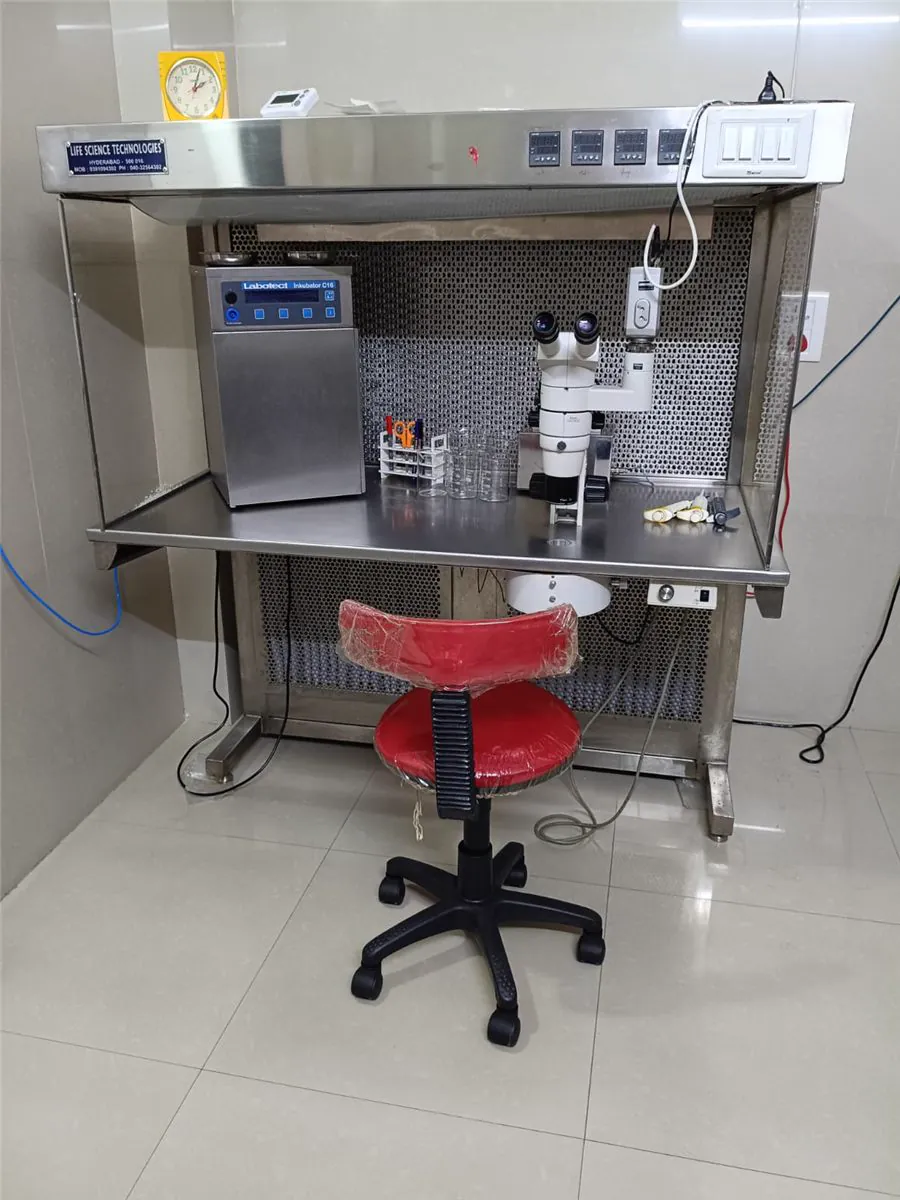
Why an IVF cycle may not work
IVF can fail for many reasons, and often more than one is involved. Doctors commonly look at the embryos, the uterus and its lining, hormonal factors, the sperm, the way the cycle was managed, and the woman's age. In some cases no clear reason is found.
A cycle that did not work does not mean the next one will not. It does mean that repeating the same plan unchanged may not be the best approach.
What a reassessment may include
A specialist usually begins by reading the full record of earlier treatment. Depending on what that shows, the review may include:
- The stimulation protocol, egg numbers and how embryos developed in the laboratory.
- How embryos were selected and transferred.
- A check of the uterine cavity, for example by ultrasound or hysteroscopy, to look for polyps, fibroids, adhesions or other problems.
- Assessment of the endometrium (uterine lining).
- Further evaluation of the male partner, including sperm quality.
- A review of the woman's general health and any conditions that may affect implantation.
Options a doctor may discuss
Choices depend entirely on what the review finds. They can include treating a uterine problem, adjusting the stimulation plan, changing the laboratory approach, or using additional techniques. Some add-on treatments are offered by clinics, including endometrial PRP, but the evidence for several of them is limited and results vary, so a doctor should explain the likely benefit and the limits before you decide.
Using donor eggs, donor sperm or other routes, or pausing treatment, may also be discussed where appropriate.
Looking after yourselves
Repeated unsuccessful cycles are emotionally and financially hard. It is reasonable to take time, to ask for a second opinion, and to ask for counselling support.
Questions you may want to ask your doctor
- What do you think may have contributed in our earlier cycles?
- Which further tests would be useful, and which would not?
- What would you change in the next plan, and why?
- What are the realistic chances and limits for us?
- What does each additional step add in cost and risk?
Related Care & Information
Consultations and clinical procedures at Gajanan Test Tube Baby Centre and Vimal Maternity Home in Dhule are led by senior specialists Dr. Sandeep Shilahar and Dr. Madhuma Sandeep Shilahar. Explore related clinical services below, view our full services directory, or find clinic details on our contact page.
Frequently asked questions
There is no single definition. Many doctors use the term after several unsuccessful embryo transfers, but the number varies between clinics and guidelines.
No. It means the earlier plan did not succeed. A careful review may identify factors that can be addressed, though in some cases no cause is found.
Many couples find it helpful. A second specialist can review the records with fresh eyes and explain the options.
Talk to our team in Dhule
Message us on WhatsApp to ask about a consultation. Our team will reply to arrange a time.
Messaging us on WhatsApp is an enquiry only. Your appointment is confirmed only when our team replies and agrees a time with you.