
Endometrial and Ovarian PRP: What to Know
PRP, or platelet-rich plasma, is a concentrate of platelets prepared from a person's own blood. In fertility care it has been placed in the uterine lining (endometrial PRP) or in the ovaries (ovarian PRP), but the evidence is still developing and results vary.
How PRP is prepared
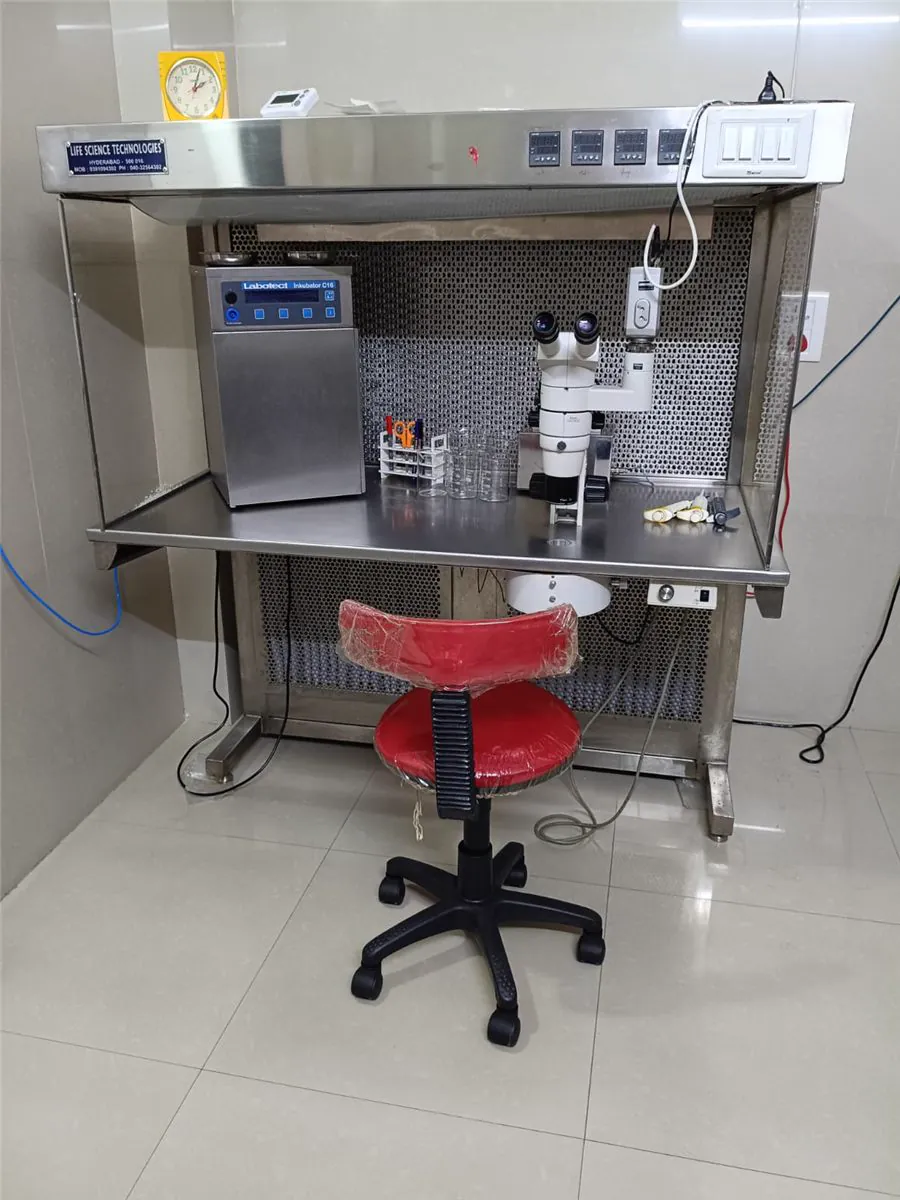
A small blood sample is taken from the patient and spun in a specialized centrifuge to separate out a platelet-rich portion containing concentrated autologous growth factors.
Because it comes from the patient's own blood, the risk of immunological rejection or blood-borne infection is minimal, though standard procedure risks apply.
Ovarian regenerative procedures & ovarian PRP
Ovarian regenerative procedures are newer fertility-supportive approaches being studied for women with low ovarian reserve, advanced maternal age, poor ovarian response in earlier IVF cycles, or premature ovarian insufficiency (POI).
Ovarian PRP involves injecting platelet-rich plasma into the ovarian tissue under transvaginal ultrasound guidance or during laparoscopy. Proposed aims include supporting follicular recruitment and exploring potential improvements in egg retrieval numbers. However, PRP is not a method to create new eggs and cannot reverse age-related chromosomal changes.
Endometrial PRP for thin uterine lining
Endometrial PRP involves introducing platelet-rich plasma into the uterine cavity using a fine catheter, with the goal of supporting the local endometrial environment and tissue repair.
It may be considered for persistently thin endometrium, poor lining development, repeated inadequate response to hormonal preparation, or recurrent implantation difficulties after careful evaluation of underlying causes such as intrauterine adhesions or chronic endometritis.
What the clinical evidence shows
Research into PRP in reproductive medicine is active and evolving. While promising findings and successful individual outcomes have been reported, PRP is considered an investigational or supportive add-on rather than a proven first-line therapy, and pregnancy cannot be guaranteed.
Questions you may want to ask your doctor
- Why do you think PRP may help in my case?
- What does the evidence say, and what are the realistic limits?
- What are the alternative options for thin lining or low reserve?
- How much will it add to the cost of treatment?
- What will our next step be if the lining or follicle response does not change?
Related Care & Information
Consultations and clinical procedures at Gajanan Test Tube Baby Centre and Vimal Maternity Home in Dhule are led by senior specialists Dr. Sandeep Shilahar and Dr. Madhuma Sandeep Shilahar. Explore related clinical services below, view our full services directory, or find clinic details on our contact page.
Frequently asked questions
Not yet. Research is still developing, results vary, and it is considered a supportive add-on rather than a guaranteed solution.
It uses your own blood, which minimizes rejection risk, but standard procedural risks such as mild discomfort, spotting or infection still apply.
Women with persistently thin uterine lining, repeated implantation difficulty, or low ovarian reserve after standard protocols have been explored.
Talk to our team in Dhule
Message us on WhatsApp to ask about a consultation. Our team will reply to arrange a time.
Messaging us on WhatsApp is an enquiry only. Your appointment is confirmed only when our team replies and agrees a time with you.