

Advanced Gynaecological Laparoscopic Surgery
Laparoscopic surgery, commonly called keyhole surgery, is a minimally invasive approach in which a camera and specialised instruments are introduced through small abdominal incisions. It may be used to diagnose and treat conditions affecting the uterus, ovaries, fallopian tubes and pelvis.
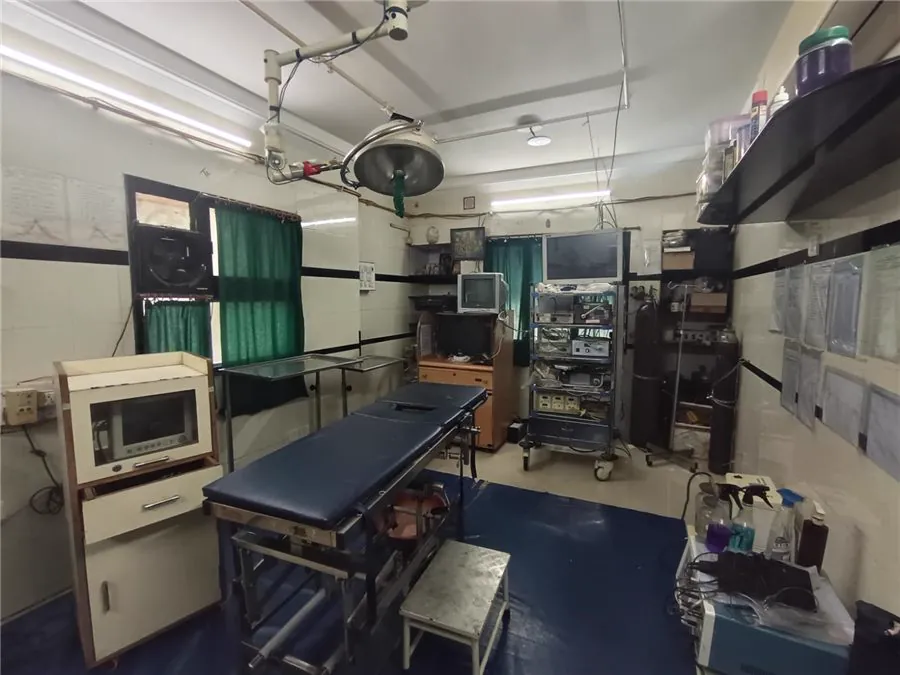
What is laparoscopic surgery?
Potential advantages, compared with suitable open procedures, may include smaller incisions and reduced recovery time. These benefits depend on the specific procedure and the patient's condition.
Laparoscopy is not suitable for every patient. Your gynaecologist will recommend the safest and most appropriate approach after evaluation.
Laparoscopic procedures
Laparoscopic hysterectomy
Removal of the uterus through a minimally invasive approach. May include:
- Total laparoscopic hysterectomy (TLH)
- Laparoscopic-assisted vaginal hysterectomy (LAVH)
- Laparoscopic hysterectomy with removal of tubes and/or ovaries, when indicated
- Common reasons may include fibroids, adenomyosis, abnormal bleeding, endometriosis or other uterine conditions
Laparoscopic myomectomy
Surgical removal of uterine fibroids while preserving the uterus, when appropriate. This may be considered for selected patients with symptomatic fibroids or fertility-related concerns.
Laparoscopic ovarian surgery
- Laparoscopic ovarian cystectomy
- Laparoscopic removal of an ovary (oophorectomy)
- Laparoscopic removal of an ovary and fallopian tube (salpingo-oophorectomy)
- Selected surgery for ovarian masses
- Management of selected adnexal conditions
Laparoscopic endometriosis surgery
Diagnosis and surgical treatment of selected endometriosis conditions. May involve:
- Excision of endometriotic lesions
- Treatment of endometriotic cysts (endometriomas)
- Adhesiolysis
- Selected pelvic endometriosis procedures
Laparoscopic ectopic pregnancy surgery
Surgical management of selected ectopic pregnancies, including:
- Salpingectomy (removal of the affected fallopian tube)
- Salpingostomy, in selected cases
- Other laparoscopic management based on clinical findings
Laparoscopic tubal procedures
- Laparoscopic tubal ligation
- Tubal assessment
- Selected tubal reconstructive procedures
- Laparoscopic tubal recanalization, where offered
Other laparoscopic procedures
Depending on expertise and case selection:
- Diagnostic laparoscopy
- Adhesiolysis
- Laparoscopic management of selected pelvic masses
- Selected pelvic reconstructive procedures
- Laparoscopic evaluation of chronic pelvic pain
Why choose laparoscopic surgery?
- Smaller surgical incisions in many procedures
- Potentially less postoperative discomfort
- Reduced visible scarring
- Earlier return to normal activities in suitable cases
- Detailed visualisation of pelvic structures
Related Care & Information
Consultations and clinical procedures at Gajanan Test Tube Baby Centre and Vimal Maternity Home in Dhule are led by senior specialists Dr. Sandeep Shilahar and Dr. Madhuma Sandeep Shilahar. Explore related clinical services below, view our full services directory, or find clinic details on our contact page.
Frequently asked questions
No. Laparoscopy is not suitable for every patient. Your gynaecologist will recommend the safest and most appropriate approach after evaluation.
Potential advantages compared with suitable open procedures may include smaller incisions and reduced recovery time, but these depend on the specific procedure and your condition.
Talk to our team in Dhule
Message us on WhatsApp to ask about a consultation. Our team will reply to arrange a time.
Messaging us on WhatsApp is an enquiry only. Your appointment is confirmed only when our team replies and agrees a time with you.