

Open Abdominal and Vaginal Gynaecological Surgery
Not every gynaecological condition can or should be treated by laparoscopy. Open abdominal or vaginal surgery may be recommended when the size, location, complexity or clinical circumstances make it the most appropriate option.
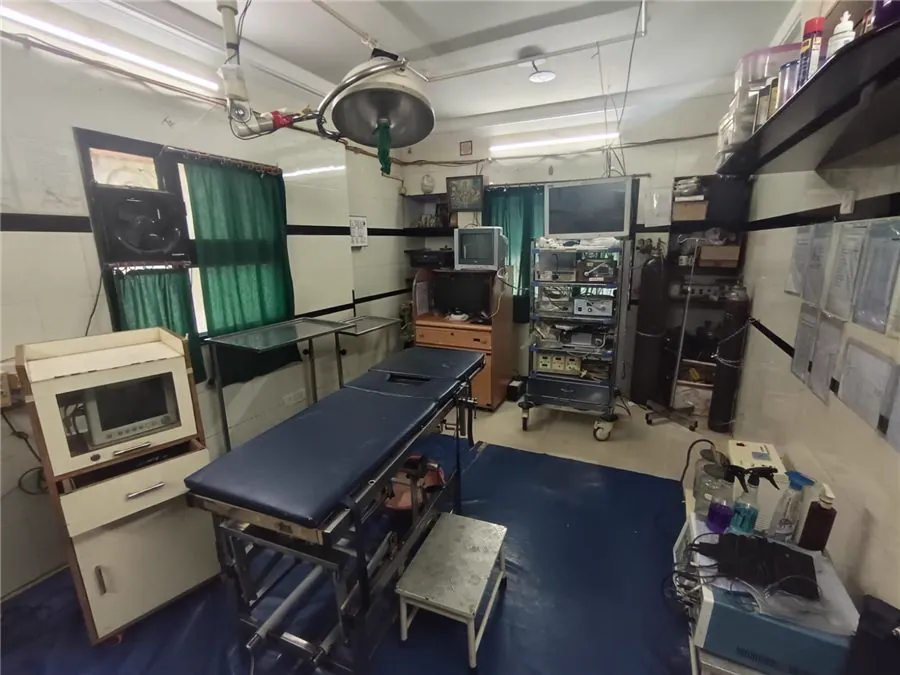
Open gynaecological procedures
- Abdominal hysterectomy
- Abdominal myomectomy
- Open ovarian cystectomy
- Oophorectomy
- Salpingo-oophorectomy
- Selected surgery for ovarian or pelvic masses
- Exploratory laparotomy
- Open tubal reconstructive surgery
- Selected endometriosis surgery
- Other indicated open gynaecological procedures
Hysterectomy, myomectomy and ovarian surgery
Hysterectomy
Hysterectomy is the surgical removal of the uterus. Approaches include abdominal, vaginal and laparoscopic hysterectomy. The appropriate route depends on the diagnosis, anatomy, previous surgery and overall clinical assessment.
Myomectomy
Myomectomy removes uterine fibroids while preserving the uterus, when clinically appropriate. It may be performed through open abdominal surgery, laparoscopic surgery or other selected approaches.
Ovarian surgery
Surgery on the ovaries may be required for selected cysts, masses, torsion or other conditions. The objective is to treat the condition while preserving healthy tissue whenever clinically appropriate.
Vaginal gynaecological surgery
Vaginal surgery is performed through the vaginal route and may be appropriate for selected uterine, pelvic floor and vaginal conditions. It can avoid abdominal incisions for certain procedures. The suitability of this approach depends on the patient's anatomy and diagnosis.
Vaginal hysterectomy
Removal of the uterus through the vagina. May be considered in selected patients with uterine conditions, including uterine prolapse.
Non-descent vaginal hysterectomy
A vaginal hysterectomy performed in selected cases where the uterus is not significantly prolapsed.
Vaginal hysterectomy with pelvic floor repair
May include repair of associated pelvic floor defects, when indicated.
Pelvic organ prolapse surgery
Pelvic organ prolapse occurs when pelvic organs descend or bulge into the vaginal canal. Possible procedures include:
- Anterior colporrhaphy
- Posterior colporrhaphy
- Perineorrhaphy
- Vaginal vault suspension
- Sacrospinous fixation
- Selected reconstructive procedures
- Other pelvic floor repairs
Vaginal reconstructive procedures
Depending on specialist expertise and clinical indication:
- Vaginal reconstruction
- Repair of selected vaginal defects
- Selected vaginal septum procedures
- Other indicated vaginal surgery
Vaginal hysterectomy with perineorrhaphy
A vaginal hysterectomy with perineorrhaphy is a procedure in which the uterus is removed through the vagina and the perineal tissues are repaired or strengthened. It may be recommended for selected women with uterine prolapse, pelvic-floor weakness, vaginal laxity, rectocele or associated pelvic-support problems, depending on the clinical findings.
When it may be considered
- Uterine prolapse
- Pelvic organ prolapse
- Weakness of the pelvic-floor tissues
- Rectocele or posterior vaginal-wall bulging
- Perineal tissue weakness after childbirth
- Difficulty with bowel evacuation related to posterior vaginal-wall prolapse
- Associated pelvic-support problems requiring surgical correction
How the procedure is performed
- The uterus is removed through the vaginal route
- The supporting tissues are assessed
- The weakened perineal and posterior vaginal tissues are repaired
- The vaginal and pelvic-floor support is reconstructed according to the patient's anatomy
- Additional prolapse repair may be performed if clinically required
Potential benefits
- Treatment of uterine prolapse
- Improvement in vaginal or pelvic pressure symptoms
- Repair of selected posterior vaginal-wall defects
- Improvement in pelvic-floor support
- No abdominal incision for the hysterectomy component
- May be combined with other prolapse procedures when indicated
Important considerations
The exact operation depends on the type and severity of prolapse. Some patients may also require anterior colporrhaphy, posterior colporrhaphy, perineorrhaphy, apical or vault-support surgery, sacrospinous fixation or treatment for urinary incontinence.
The procedure is not suitable for every woman. A pelvic examination and appropriate assessment are required before surgery.
Our approach to surgery
The right surgery, for the right patient, at the right time. Surgery should be recommended after careful evaluation, not simply because a procedure is available.
Accurate diagnosis
Understanding symptoms, medical history, examination findings and investigations.
Individualised treatment planning
Discussing medical treatment, minimally invasive surgery, vaginal surgery, open surgery or other appropriate options.
Preservation of health and fertility when appropriate
Considering reproductive goals and preserving healthy organs where clinically feasible.
Informed consent
Explaining the benefits, risks, alternatives and expected recovery.
Compassionate follow-up
Supporting recovery and answering questions after treatment.
Related Care & Information
Consultations and clinical procedures at Gajanan Test Tube Baby Centre and Vimal Maternity Home in Dhule are led by senior specialists Dr. Sandeep Shilahar and Dr. Madhuma Sandeep Shilahar. Explore related clinical services below, view our full services directory, or find clinic details on our contact page.
Frequently asked questions
Open abdominal surgery may be recommended when the size, location, complexity or clinical circumstances make it the most appropriate option.
Abdominal, vaginal or laparoscopic. The route depends on the diagnosis, anatomy, previous surgery and overall clinical assessment.
No. A pelvic examination and appropriate assessment are required before surgery, and the exact operation depends on the type and severity of prolapse.
Talk to our team in Dhule
Message us on WhatsApp to ask about a consultation. Our team will reply to arrange a time.
Messaging us on WhatsApp is an enquiry only. Your appointment is confirmed only when our team replies and agrees a time with you.