

Vaginal Hysterectomy and Pelvic Floor Reconstruction
Vaginal hysterectomy is a natural-orifice surgical procedure to remove the uterus through the vagina without any abdominal incisions. When combined with pelvic-floor repair (perineorrhaphy and colporrhaphy), it restores anatomical support and relieves prolapse symptoms.
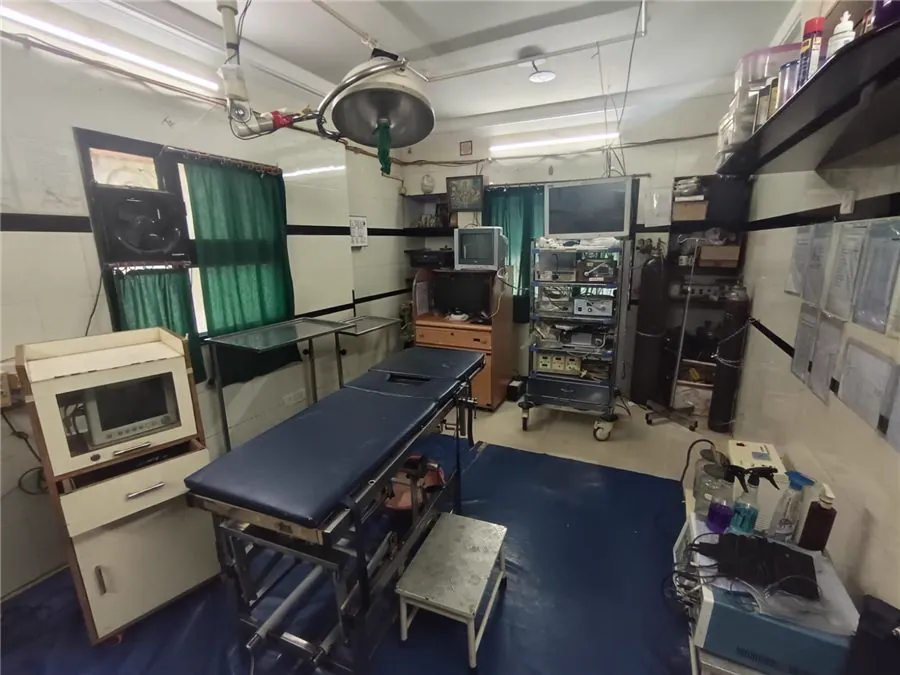
What is vaginal hysterectomy with pelvic floor repair?
Vaginal hysterectomy is performed entirely through the vaginal canal, leaving no visible external scars on the abdomen. It is frequently performed for uterine prolapse, but can also be selected for non-prolapsed uteri (non-descent vaginal hysterectomy or NDVH) when size and mobility are suitable.
When pelvic-floor weakness accompanies uterine descent, the procedure is combined with anterior colporrhaphy (bladder repair), posterior colporrhaphy (rectocele repair) and perineorrhaphy (strengthening of perineal muscles).
When is pelvic floor surgery considered?
- Uterine prolapse: feeling a bulge or heaviness in the vagina, difficulty sitting comfortably
- Cystocele (fallen bladder): bladder bulge causing urinary frequency, urgency or incomplete emptying
- Rectocele (rectal bulge): posterior vaginal wall weakness causing difficulty with bowel evacuation
- Perineal laxity or chronic tissue damage resulting from earlier childbirth
- When conservative measures such as pelvic-floor exercises or supportive vaginal pessaries are insufficient
How the surgery is performed
- Conducted under regional (spinal) or general anaesthesia
- The uterus is gently detached and removed entirely through the natural vaginal opening
- Pelvic supportive ligaments (uterosacral and cardinal ligaments) are anchored to the vaginal vault to prevent future apical prolapse
- Herniated bladder or bowel walls are repositioned and reinforced with absorbable structural sutures
- The perineal body and vaginal entrance muscles are tightened and reconstructed (perineorrhaphy)
- Absorbable sutures are used internally, requiring no post-procedure stitch removal
Advantages and recovery process
Key benefits of the vaginal route include the complete absence of abdominal scars, lower postoperative pain, reduced risk of incisional hernia and faster return to normal bowel function.
Hospital stay is typically 2 to 3 days. Patients are advised to rest, avoid heavy lifting or vigorous straining for 6 weeks, and maintain a high-fibre diet to prevent constipation during healing.
Related Care & Information
Consultations and clinical procedures at Gajanan Test Tube Baby Centre and Vimal Maternity Home in Dhule are led by senior specialists Dr. Sandeep Shilahar and Dr. Madhuma Sandeep Shilahar. Explore related clinical services below, view our full services directory, or find clinic details on our contact page.
Frequently asked questions
No. The entire operation is carried out through the natural vaginal canal, leaving zero external cuts or scars on your abdomen.
Yes. Reconstructing the pelvic floor and removing the prolapsed uterus relieves the downward pressure and restores normal pelvic comfort.
Yes. Vaginal surgery is well tolerated by older women because it avoids opening the abdominal cavity and can be performed under regional spinal anaesthesia.
Talk to our team in Dhule
Message us on WhatsApp to ask about a consultation. Our team will reply to arrange a time.
Messaging us on WhatsApp is an enquiry only. Your appointment is confirmed only when our team replies and agrees a time with you.