

Laparoscopic Hysterectomy (Keyhole Uterus Removal)
Laparoscopic hysterectomy is a minimally invasive surgical procedure to remove the uterus through small keyhole incisions in the abdomen, offering significantly less postoperative pain, reduced hospital stay and faster recovery compared to traditional open surgery.
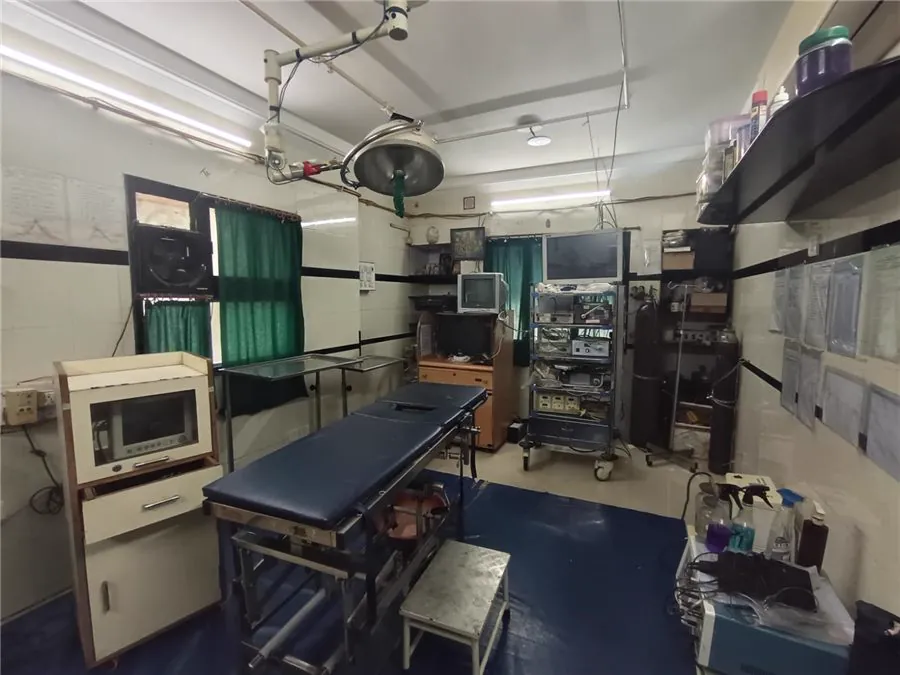
What is laparoscopic hysterectomy?
Laparoscopic hysterectomy involves removing the uterus using high-definition cameras and precision instruments through 3 to 4 tiny abdominal incisions (5 to 10 mm each).
Depending on clinical evaluation and patient anatomy, the procedure may be performed as a Total Laparoscopic Hysterectomy (TLH), where the entire uterus and cervix are detached laparoscopically, or as a Laparoscopic-Assisted Vaginal Hysterectomy (LAVH).
Ovaries and fallopian tubes may be preserved or removed based on the woman's age, medical history and clinical indication.
When is laparoscopic hysterectomy considered?
Surgery is recommended only when conservative or medical treatments have proven insufficient or when definitive treatment is medically required. Common indications include:
- Large or symptomatic uterine fibroids causing persistent pressure or pain
- Adenomyosis with severe menstrual cramps and chronic pelvic discomfort
- Abnormal uterine bleeding not responding to medication or hormonal therapy
- Severe endometriosis unresponsive to medical suppression
- Uterine prolapse in conjunction with pelvic support reconstruction
- Endometrial hyperplasia or other carefully evaluated uterine conditions
How the procedure is performed
- Performed under general anaesthesia in a modern laparoscopic theatre
- Small 5–10 mm keyhole incisions are placed on the abdomen
- A high-definition laparoscope provides magnified visualisation of pelvic structures, blood vessels and ureters
- Advanced energy devices precisely seal and divide uterine blood vessels and supportive ligaments
- The uterus is gently removed through the vaginal canal or via enclosed containment
- Internal vaginal vault support is meticulously reconstructed to prevent future prolapse
- Small skin incisions are closed with cosmetic, absorbable sutures
Hospital stay, recovery and aftercare
Most women stay in the hospital for 1 to 2 days following surgery. Walking is encouraged on the same day or following morning to support circulation and bowel function.
Most patients return to light daily activities within 1 to 2 weeks. Strenuous physical exertion, heavy lifting and sexual intercourse should be avoided for 6 to 8 weeks to allow complete internal healing.
Risks and important considerations
Laparoscopic hysterectomy has a high safety record when performed by experienced gynaecological surgeons. As with any major surgery, potential risks include bleeding, infection, anaesthesia reactions, injury to surrounding organs (bladder, ureters, bowel), or rarely, conversion to open surgery if severe adhesions or unexpected anatomical distortion are encountered.
Related Care & Information
Consultations and clinical procedures at Gajanan Test Tube Baby Centre and Vimal Maternity Home in Dhule are led by senior specialists Dr. Sandeep Shilahar and Dr. Madhuma Sandeep Shilahar. Explore related clinical services below, view our full services directory, or find clinic details on our contact page.
Frequently asked questions
Menopause occurs only if both ovaries are removed. If your ovaries are healthy and preserved, your natural hormone production continues normally without sudden menopausal symptoms.
Most women with desk-based occupations resume work in 2 to 3 weeks. Jobs requiring physical exertion may require 4 to 6 weeks.
Incisions are tiny (5 to 10 mm) and typically fade into very faint marks within a few months.
Talk to our team in Dhule
Message us on WhatsApp to ask about a consultation. Our team will reply to arrange a time.
Messaging us on WhatsApp is an enquiry only. Your appointment is confirmed only when our team replies and agrees a time with you.